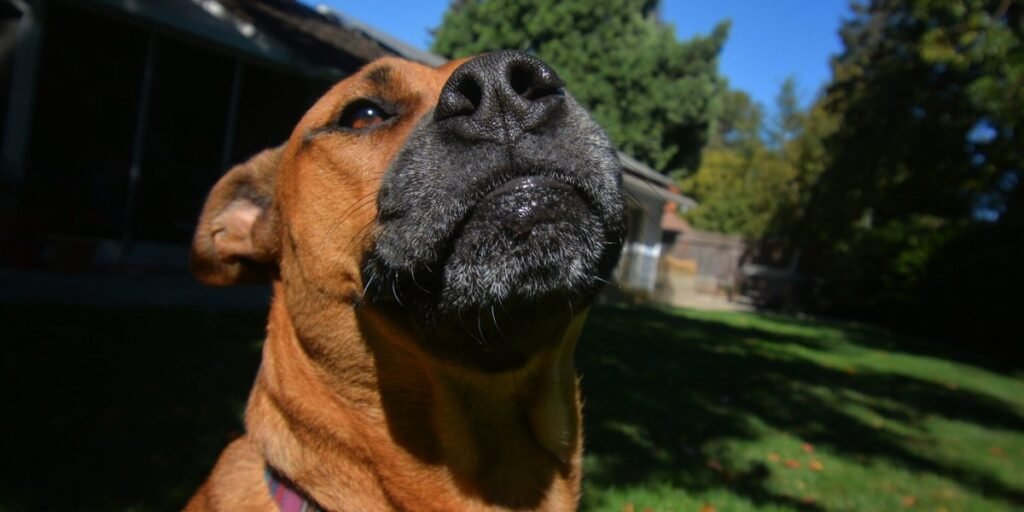

The frantic greeting, the chewed door frame, the neighbor’s note about howling — dog separation anxiety is genuine panic, not spite or stubbornness. The reassuring truth is that most dogs can learn to feel safe alone with a patient, gradual plan. This guide covers the real signs, the causes, and a gentle 30-day fix, building on our complete dog emotional wellness guide.

What Are the Signs of Separation Anxiety in Dogs?
Separation anxiety shows up within minutes of your departure. The key is that the behavior happens only when the dog is alone or about to be.
- Vocalizing — howling, barking, whining when alone
- Destruction — especially near doors and windows
- House soiling in an otherwise trained dog
- Pacing, drooling, or panting as you prepare to leave
- Over-the-top greetings when you return
View Guide
What Causes Separation Anxiety in Dogs?
Understanding the trigger shapes the fix. Common causes include:
- Major change — a move, new schedule, or lost family member
- Lack of alone-time training — especially post-pandemic dogs
- Rescue background — past abandonment
- Over-attachment — never learning to self-settle
If your dog is newly adopted, building a secure foundation first makes everything easier.
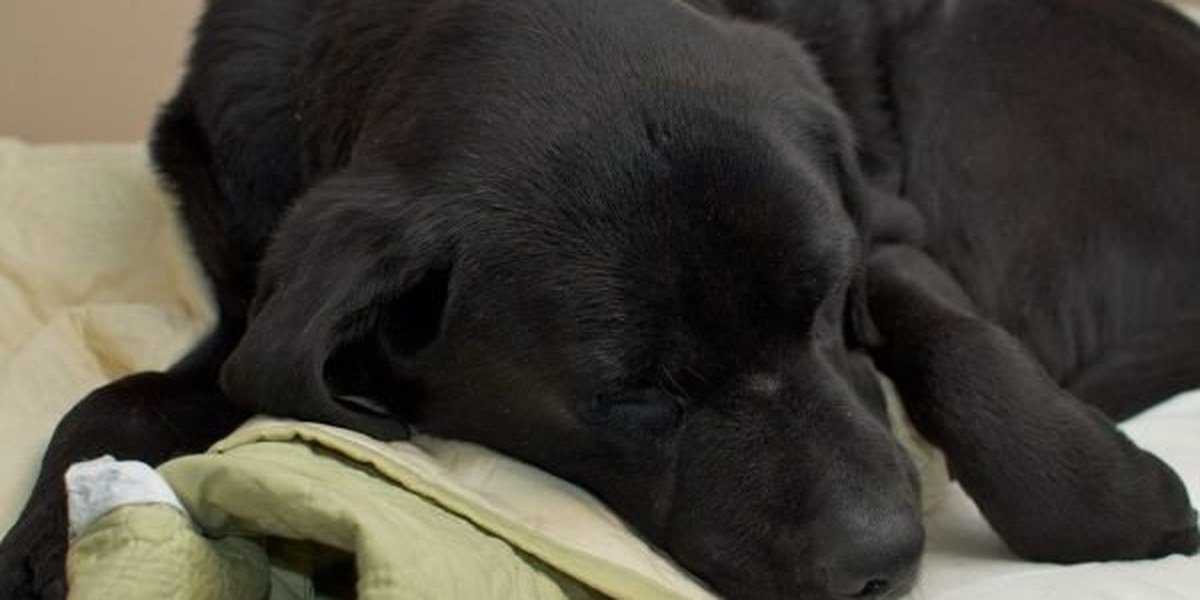
The 30-Day Desensitization Plan
You can’t rush separation anxiety away — you rebuild your dog’s tolerance for alone-time in tiny steps.
| Week | Focus | Daily action |
|---|---|---|
| 1 | Departure cues | Practice picking up keys/coat without leaving, until they mean nothing |
| 2 | Micro-absences | Step out for seconds, return before panic; slowly extend |
| 3 | Building duration | Lengthen absences gradually; add a safe chew or enrichment |
| 4 | Real departures | Calm comings and goings; no dramatic greetings |
This step-by-step arc is the structure of the Dog Separation Anxiety Journal, so you always know the next small step.
See Details
Explore Solution
Frequently Asked Questions
How do I know if it’s separation anxiety or boredom?
Separation anxiety triggers panic-driven behavior within minutes of leaving and often centers on exits. Boredom-based behavior tends to appear later and looks more like exploratory chewing. A video of your dog alone reveals which it is.
Can separation anxiety in dogs be cured?
Many dogs improve dramatically or fully recover with consistent gradual desensitization. Severe cases may need a veterinary behaviorist and sometimes medication alongside training.
Should I get another dog to help?
Not usually. Separation anxiety is typically attachment to you, not loneliness, so a second dog rarely fixes it and can create two anxious dogs. Address the root through training first.
How long does it take to fix separation anxiety?
Mild cases can improve in a few weeks; moderate to severe cases take months of patient, gradual work. Going too fast is the most common reason progress stalls.
A Calmer Goodbye Is Possible
Separation anxiety is hard on everyone — but it responds beautifully to patience. Keep departures boring, build tolerance in tiny steps, and never rush. Most owners are amazed at how far a calm, gradual month can take their dog.
For the full emotional picture, return to our dog emotional wellness guide, and if walks are also a struggle, see calming a reactive dog.
Ecominou provides educational wellness content and does not replace veterinary care. Severe separation anxiety should be assessed by a veterinarian or certified behaviorist.