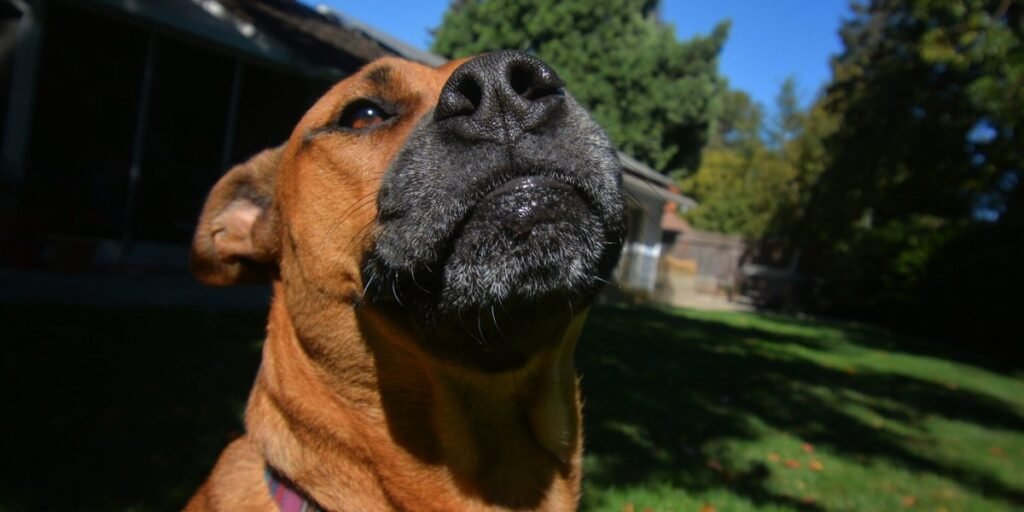


You love your dog. They love you. But somewhere in the daily grind of feeding, walking, and managing — the bond can feel a little flat. The eye contact is rushed. The walks are a chore. The cuddles happen only because YOU initiated them. And you wonder, quietly, if you and your dog are still as close as you used to be.
Most dog parents bond ACCIDENTALLY in the first weeks, then assume the closeness will sustain itself. It doesn’t. Bonds with dogs need deliberate, daily, small practices to stay alive. Without them, the relationship runs on autopilot — and autopilot eventually drifts.
This guide gives you the simple daily habits that deepen the bond between you and your dog. Eye contact rituals, calm presence practice, trick training, sniff walks, and the small choices that compound into a relationship of real depth.
Daily eye contact (slow blinks count). 5-minute sniff walks where they lead. Hand-feeding one meal a week. Train one new trick monthly. Tell them what you love about them out loud. Schedule phone-free time daily. Be the most predictable, calm human in their world. The bond is built in tiny, repeated moments — not big gestures.
Why dog bonds need intentional maintenance
Unlike romantic relationships, you can’t have a hard conversation with your dog. You can’t apologize for the bad week. You can’t repair conflict through words. The bond exists almost entirely in your body, your routine, and your daily presence. When those drift, the bond drifts.
The good news: dogs are extraordinarily forgiving. Three weeks of intentional practice rebuilds what months of drift have eroded.

The 7 daily habits that actually deepen the bond
1. Daily slow blink + eye contact
Sit at your dog’s level. Soft eyes. Hold their gaze for 5 seconds. Blink slowly. Many dogs respond with their own slow blink. This is bond-deepening on autopilot.
2. The sniff walk (let them lead)
Once a week, walk where YOUR DOG wants to go. Long leash. Sniff freely. No agenda. Sniffing is your dog’s primary mental enrichment — letting them lead a walk is profoundly trust-building.
3. Hand-feed one meal weekly
Pour their food into your palm. Feed kibble by kibble. The intimacy of hand-feeding rebuilds trust in dogs who have drifted from you.
4. Train one new trick monthly
Spin. Bow. Touch. Place. Training is one of the highest-bond-building activities you can do with a dog. It signals “we’re a team.”
Need a 30-day bonding structure?
The 30-Day Dog Emotional Wellness Journal includes daily bonding prompts, weekly check-ins, and the gentle structure that turns drift into depth.
5. Tell them what you love about them — out loud
Yes, out loud. The tone of voice, the pace, the warmth — your dog reads it. Tell them what you love about who they are. They feel it.
6. Phone-free time daily
5-10 minutes a day where you are JUST with your dog. No scrolling. No work. No background TV. Just sitting, petting, breathing. This single shift transforms most dog parent-dog relationships.
7. Be the most predictable, calm human in their world
Predictability is bond-building. Same wake time. Same dinner time. Same goodnight phrase. Calm voice. Steady energy. Over months, predictability becomes the foundation of trust.
What erodes the bond (and what to do instead)
Punishment-based training
Erodes trust faster than anything. Switch to positive reinforcement. Behavioral consensus is firmly in this direction.
Inconsistent rules
“You can be on the couch sometimes.” Dogs hate this. Pick a rule. Stick to it.
Anxious energy at the door
Your dog reads every breath. If you’re tense, they’re tense. For the deeper inner work, see 30 dog parent affirmations.
Cancelling on them
Skipping walks. Shorting cuddles. Treating dog time as last priority. Over months, it shows.
When the bond needs more than habits
If your dog struggles with anxiety or behavior issues, the daily habits work BETTER alongside specialized protocols. See our guides on:
- Dog separation anxiety — for dogs who fall apart when you leave
- Fix dog reactivity — for dogs who explode at triggers on walks
- Fearful dog confidence — for shy or shut-down dogs
- First 30 days with a rescue dog — for new bonds being built from scratch
FAQ
How long until the bond feels stronger?
Most dog parents notice shifts within 2-3 weeks of intentional daily practice. Deeper changes within 2-3 months.
What if my dog already trusts me — do I still need this?
Yes. The bond is a muscle. Trained, it grows. Untrained, it atrophies — slowly, invisibly.
How do I bond with a fearful or anxious dog?
Slow down. Use the choice protocol from our fearful dog guide. Forced bonding deepens fear.
Will my dog like training as much as cuddles?
For most dogs, yes — training is mentally engaging in a way cuddles aren’t. The bonding is often deeper.
What if I’m exhausted and don’t have energy for this?
The smallest version of these habits still works. 30 seconds of eye contact. One slow blink. One quiet word. Bonding compounds even at small doses.
Walk the 30 days with structure
The 30-Day Dog Emotional Wellness Journal gives you daily bonding prompts and the structure that turns intention into depth.
If you’re carrying caregiver fatigue alongside the bonding work, see our dog mom self-care guide. And for the senior dog stage, our senior dog care guide deepens daily bonding rituals for the slower years.