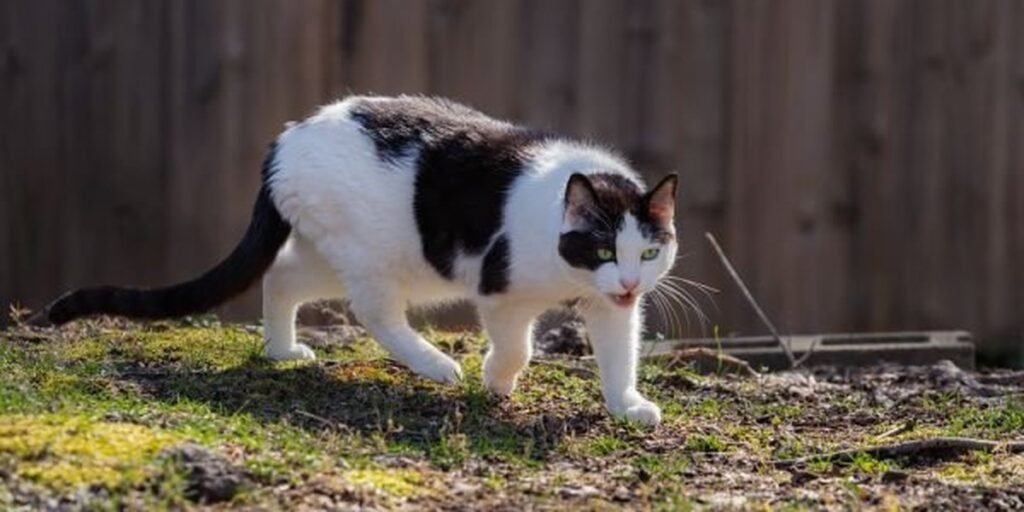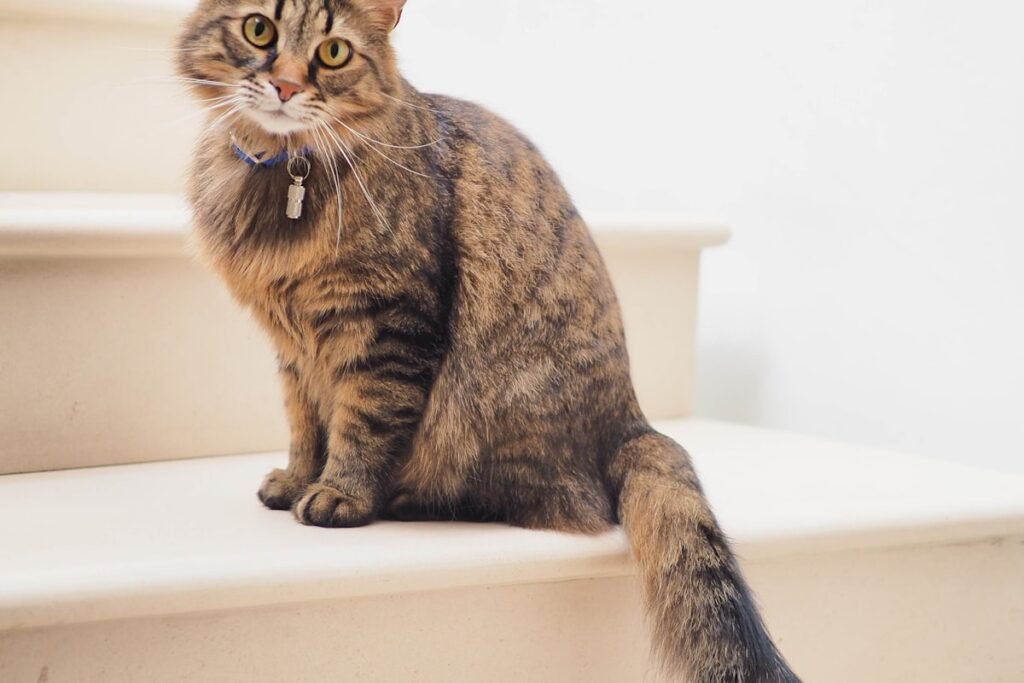

If your cat hides, over-grooms, or bolts at the smallest change, you’re not dealing with a “bad” cat — you’re dealing with an anxious one. The good news: how to calm an anxious cat comes down to changing the world around them, not forcing them to relax. This gentle 30-day approach works without medication for most everyday anxiety. For the bigger picture, see our full guide to cat emotional wellness.
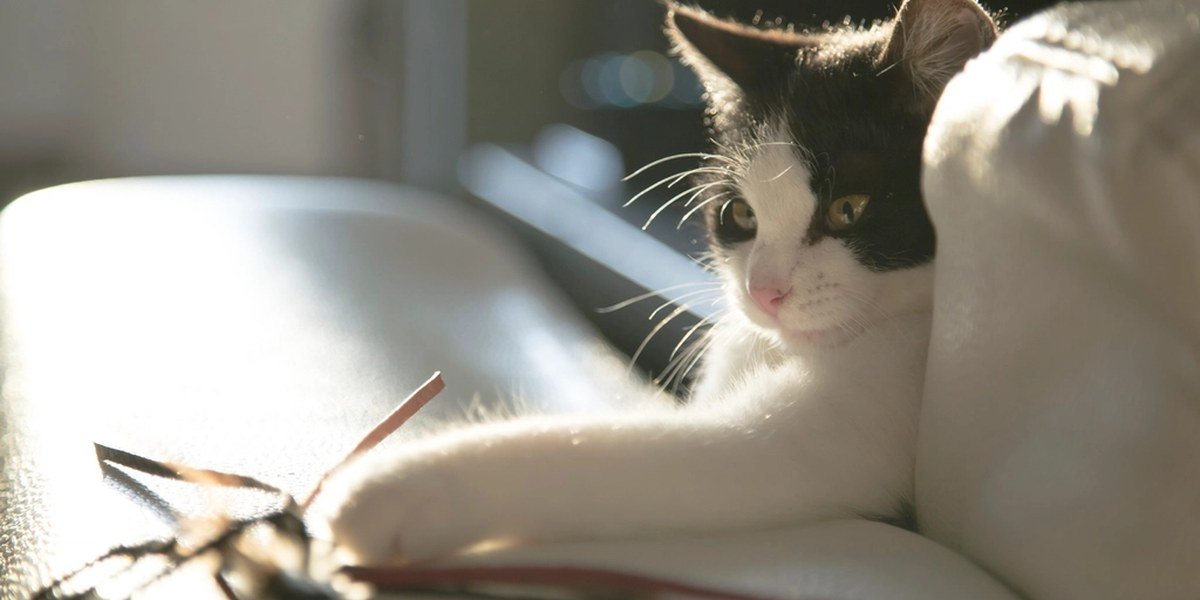
What Makes a Cat Anxious?
Anxiety in cats almost always traces back to a loss of predictability or safety. Identify the trigger and you’re halfway to the fix.
- Environmental change — moving, new furniture, rearranged spaces
- New people or pets in the home
- Loud or sudden noise — construction, fireworks, vacuum
- Lack of safe retreat — nowhere to hide or perch high
- Boredom — no outlet for hunting instinct
View Guide
How Do You Calm an Anxious Cat Quickly?
In the moment, less is more. The fastest way to calm an anxious cat is to remove pressure and give them control.
- Stop approaching. Let the cat choose distance.
- Lower your energy. Slow movements, quiet voice, no direct staring.
- Offer a hideaway. A box or covered bed in a quiet room.
- Add height. A shelf or cat tree lets them survey safely.
- Use slow blinks. Look, slow-blink, look away — repeat.
These calm the acute moment. Lasting change comes from the 30-day routine below.
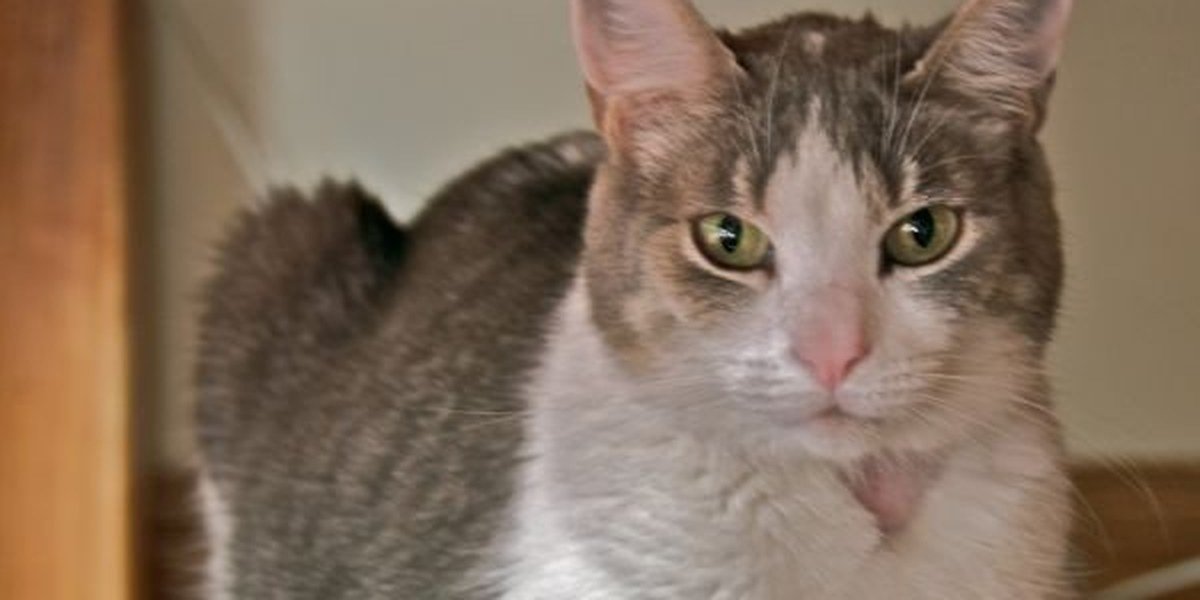
The 30-Day Calm-Building Routine
Anxiety unwinds with consistency, not intensity. This is the simple weekly arc.
| Week | Focus | Daily action |
|---|---|---|
| 1 | Safety | Set up safe room + hiding spots; no forced contact |
| 2 | Routine | Fixed feeding + play times; predictability builds trust |
| 3 | Confidence | Short wand-play sessions to channel hunting energy |
| 4 | Connection | Invite contact on the cat’s terms; reward calm |
This four-week arc is the backbone of the Cat Anxiety Relief Journal, which guides you through each day so you never have to guess the next step.
See Details
Explore Solution
Frequently Asked Questions
How long does it take to calm an anxious cat?
Acute stress can ease within minutes by removing pressure and offering a hideaway. Underlying anxiety usually takes 3–4 weeks of consistent routine, safe spaces, and play to meaningfully improve.
Should I comfort or ignore an anxious cat?
Neither extreme. Don’t force comfort, but don’t withdraw entirely. Stay calm and present, offer a safe space, and let the cat choose contact. Pressure increases anxiety; quiet availability reduces it.
Do calming products work for cats?
Pheromone diffusers and calming aids can help some cats, but they work best alongside environmental changes — not instead of them. Safety, routine, and play remain the foundation.
When should I see a vet about cat anxiety?
See a vet if anxiety is severe, sudden, or paired with physical symptoms like not eating, litter box changes, or over-grooming, to rule out a medical cause.
Your Calmer Cat Starts With One Quiet Step
You can’t rush a cat into calm — but you can build the conditions where calm becomes their default. Start with a safe room, add routine, layer in play, and let trust grow. Most owners see a noticeably calmer cat within a month.
For the full emotional picture beyond anxiety, return to our cat emotional wellness guide. And if your cat is newly adopted, the rescue cat bonding guide pairs perfectly with this routine.
Ecominou provides educational wellness content and does not replace veterinary care. Persistent or severe anxiety should be evaluated by a licensed veterinarian.