Most cat owners can sense when something feels off with their cat — but pinning down why is the hard part. Cat emotional wellness is the quiet foundation beneath every purr, every hiding spell, and every litter-box protest: your cat’s underlying sense of safety and calm. Because cats mask stress so well, the early signs are easy to miss until they grow loud. This guide gives you the full picture — reading the signals, easing anxiety, deepening trust, and supporting your cat through every stage of life.
Why Cat Emotional Wellness Matters More Than Owners Think
Cats are masters at masking discomfort. In the wild, showing weakness invites predators — so a stressed house cat stays quiet until the problem is large. By the time most owners notice, the cat has been struggling for weeks.
Emotional stress in cats isn’t “just behavior.” Left unaddressed, it shows up physically:
- Over-grooming or bald patches from licking
- Litter box avoidance or marking outside the tray
- Reduced appetite or stress-eating
- Hiding, freezing, or sudden aggression
- Cystitis and digestive flare-ups linked to chronic stress
Supporting your cat’s emotional baseline is preventive care. If you want a structured way to track these signals day by day, the 30-Day Cat Emotional Wellness Journal gives you a simple page-a-day system.
View Guide
How Do You Read a Cat’s Emotional State?
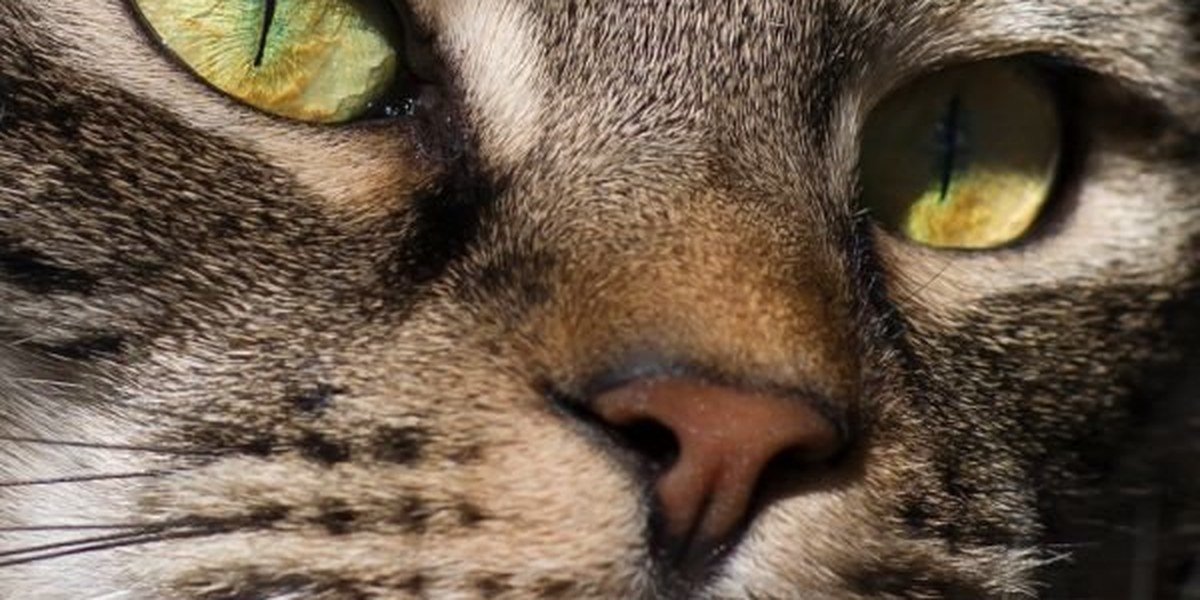
Reading a cat starts with the body, not the meow. Most emotional information lives in the eyes, ears, tail, and posture.
Calm signals
- Slow blinks (the “cat kiss”)
- Tail up with a soft curl at the tip
- Relaxed, side-lying rest in open space
- Gentle kneading and purring
Stress signals
- Flattened or sideways “airplane” ears
- Dilated pupils in normal light
- Crouched body, tucked tail, hiding
- Tail flicking or thumping
An anxious cat often shows several of these at once. If anxiety is your main concern, our deep-dive on how to calm an anxious cat walks through a 30-day approach.
The 4 Pillars of Cat Emotional Wellness
Every calm, confident cat has these four needs met. Think of them as the framework underneath everything else.
| Pillar | What it means | Simple daily action |
|---|---|---|
| Safety | Predictable environment, hiding spots, vertical space | Keep one quiet “safe room” always available |
| Routine | Consistent feeding, play, and rest times | Feed and play at the same times daily |
| Stimulation | Hunting-style play and enrichment | 2 short play sessions, morning and evening |
| Connection | Trust built on the cat’s terms | Offer slow blinks; let the cat approach you |
These four pillars apply whether you have a brand-new kitten or a senior cat. The way you deliver them just changes with age.
Supporting Your Cat Through Every Life Stage
Emotional needs shift as a cat grows. Matching your support to their stage prevents most behavior problems before they start.

New cats & kittens
The first month sets the emotional blueprint. Go slow, let them explore one room at a time, and let trust build naturally. Our rescue cat bonding guide covers the critical first 30 days.
Adult cats
This is the maintenance phase — keep routine and enrichment steady. Big changes (moves, new baby, new pet) are the main triggers to plan around. If a baby is coming, see preparing your cat for a new baby.
Senior cats
Older cats need more comfort, predictability, and gentleness as senses fade. Our senior cat care guide covers comfort and quality of life.
Grief & loss
Cats grieve too — and so do we. If you’re facing loss, coping with cat loss offers a gentle path through it.
A Simple Daily Practice for Emotional Wellness
You don’t need an hour a day. Five minutes of intentional observation and connection changes everything.
- Observe — note one body-language signal you saw today
- Connect — offer 3 slow blinks; let the cat respond
- Play — one short hunting-style session with a wand toy
- Record — jot one line about your cat’s mood
This four-step loop is exactly the structure inside the Cat Emotional Wellness Journal — designed so observing your cat becomes a calming ritual for you too.
View Guide
Explore Solution
Frequently Asked Questions
How do I know if my cat is emotionally stressed?
Watch for changes from your cat’s normal: hiding more, over-grooming, litter box avoidance, reduced appetite, or sudden aggression. A single signal can be normal, but several together — or any sudden change — usually points to emotional stress worth addressing.
Can cats have anxiety like humans?
Yes. Cats experience anxiety, fear, and chronic stress, often triggered by environmental change, lack of safety, or boredom. It commonly shows through body language and behavior rather than obvious distress, which is why it’s easy to miss.
How long does it take to improve a cat’s emotional wellbeing?
Small improvements can appear within days of adding routine and safe spaces, but lasting change usually builds over 3–4 weeks of consistent daily habits. That’s why a structured 30-day practice works well.
Does playing really help cat anxiety?
Yes. Hunting-style play satisfies a core feline instinct, burns nervous energy, and builds confidence. Two short sessions a day are one of the most effective, lowest-cost tools for emotional wellness.
Bringing It All Together
Cat emotional wellness comes down to three things: read the signals, meet the four pillars, and show up daily. You don’t need to be perfect — you need to be consistent and gentle. Every slow blink, every quiet play session, every calm routine tells your cat the same thing: you are safe here.
If you’d like a gentle, structured way to build this practice, the 30-Day Cat Emotional Wellness Journal turns these habits into a daily ritual. And whenever a specific challenge comes up — anxiety, a new rescue, senior care, or grief — the satellite guides above go deeper.
Ecominou provides educational wellness content for pet owners and does not replace veterinary care. If your cat shows sudden behavioral or physical changes, consult a licensed veterinarian to rule out medical causes.