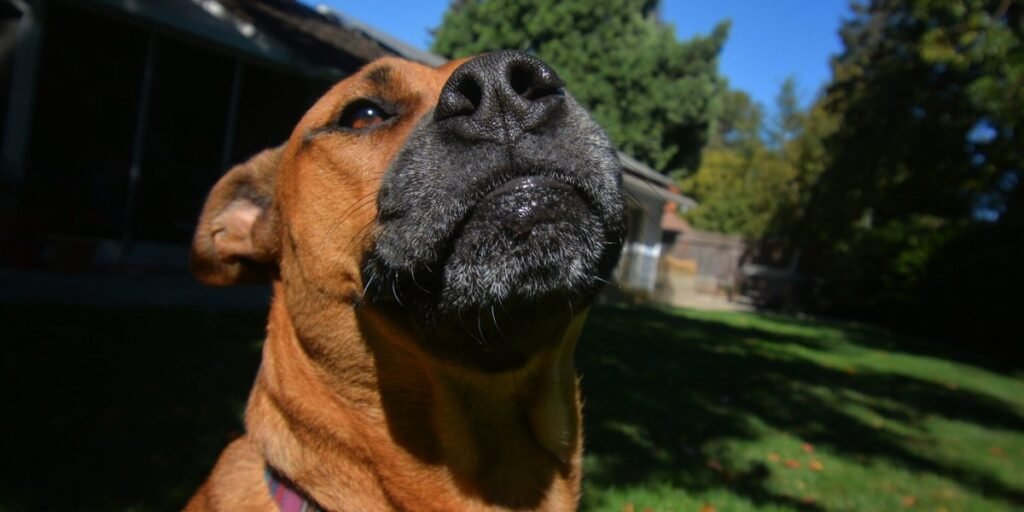


Thunder rolls in the distance. You watch your 80-pound dog start to tremble. They head for the bathtub. Their breathing accelerates. Within minutes, they’re panting like they ran a marathon. And you’re left holding them, knowing the storm is two hours long, and feeling profoundly helpless.
Up to 30% of dogs experience clinically significant noise phobias. Most never receive proper intervention. The advice — ‘just ignore them’ — is exactly wrong. The real protocol exists and is highly effective, but it’s rarely shared outside of veterinary behaviorist circles.
This guide walks you through the actual science of noise phobia, the desensitization protocol that genuinely rewires it, the environmental setup that minimizes acute episodes, and the conversation to have with your vet about supportive medications.
Set up a dedicated safe space (with sound-dampening). Use white noise during predicted events. Run daily desensitization with recorded sounds at low volume + treats. Try a Thundershirt or anxiety wrap. Discuss situational anxiety medications with your vet (trazodone, gabapentin). Track recovery times. Most dogs improve significantly in 4-12 weeks of consistent work.
The science of noise phobia
Sound anxiety isn’t bad behavior or attention-seeking. It’s a phobic response in the limbic system — the same brain region that processes fear in humans. Your dog is not being dramatic. Their brain is genuinely overwhelmed.
Untreated, noise phobias tend to worsen over time. The good news: with proper intervention, most dogs show significant improvement.
Environment first: the safe space setup
The single most important environmental piece. Pick your dog’s natural safe spot — under the bed, in the bathtub, behind the couch. Make it MORE safe:
- Soft, deep bedding
- Sound-dampening blankets draped around
- A worn t-shirt of yours (scent)
- One quiet chew toy
- White noise machine nearby
- Closed blinds (visual triggers)
This space is sacred. Never use it for punishment. Never extract your dog from it. Let them choose to be there during stress — and over time, the space itself becomes a comfort cue.

The desensitization protocol
This is the gold-standard behavior modification for noise phobia. It works.
- Find recordings — thunder, fireworks, smoke alarms. Many are available on YouTube or Spotify.
- Find threshold volume — play at the lowest volume where your dog notices but stays calm.
- Pair with treats — every sound = high-value treat (cheese, hot dog, freeze-dried liver).
- Build slowly — 3-5 minute sessions, 3-5x per week. Raise volume ONLY after 5+ perfect sessions.
- Be patient — 4-8 weeks of consistent work brings measurable change.
A 30-day storm anxiety protocol
The 30-Day Dog Emotional Wellness Journal includes daily desensitization tracking, sound event logs, and the structure that turns the protocol into a habit.
The vet conversation worth having
For moderate-to-severe sound anxiety, medication isn’t optional — it’s compassionate. Two conversations to schedule:
1. Situational anxiolytics
Medications like trazodone and gabapentin can be given before predicted events (storms, fireworks). They reduce panic enough that your dog can actually USE the safe space, instead of being overwhelmed.
2. Daily medications (severe cases)
SSRIs (fluoxetine) can lower baseline anxiety, making the desensitization work actually work. Not for every dog — but worth discussing if your dog’s anxiety is severe.
This is not failure. Many of the most successful sound-anxiety recoveries combine behavior work with veterinary support.
What else actually helps
- Thundershirt / anxiety wrap — compression helps about 30-40% of dogs. Worth trying.
- Adaptil pheromone diffuser — some studies show modest help.
- L-theanine + CBD (vet-approved) — for some dogs.
- Classical music or “Through a Dog’s Ear” — measurably lowers stress.
- Tightly-fitting onesie or shirt — DIY compression that works.
The caregiver side
Storm seasons can be exhausting. Sleep loss. Anticipatory anxiety. Cancelled plans. If you’re carrying this, see dog mom self-care for the inner work. And our dog separation anxiety guide overlaps in important ways — both are about helping dogs feel safe when something hard is happening.
FAQ
Does sound anxiety go away on its own?
Almost never. Untreated, it tends to worsen. Active intervention works.
Are crates good or bad for storm-anxious dogs?
Depends on individual dogs. Crate-loving dogs do well in covered crates during events. Crate-fearful dogs can hurt themselves trying to escape. Know your dog.
How young can I start desensitization?
Puppyhood. The 8-16 week socialization window is the BEST time to prevent sound phobias from developing. Play recorded sounds at low volume + treats during normal play.
Will my dog need medication forever?
Often no. Many dogs need situational medications during peak seasons (summer storms, July 4th, New Year’s). Some need daily meds long-term. Both approaches are reasonable.
What if my dog’s anxiety is making them sick?
See your vet urgently. Severe noise phobias can cause physical harm — broken teeth, paw injuries, exhaustion. This is treatable.
30 days that change every storm
The 30-Day Dog Emotional Wellness Journal supports daily desensitization, tracks sound events, and turns thunder season into manageable work.
If your dog also struggles with separation, our dog separation anxiety guide walks through that overlapping protocol.