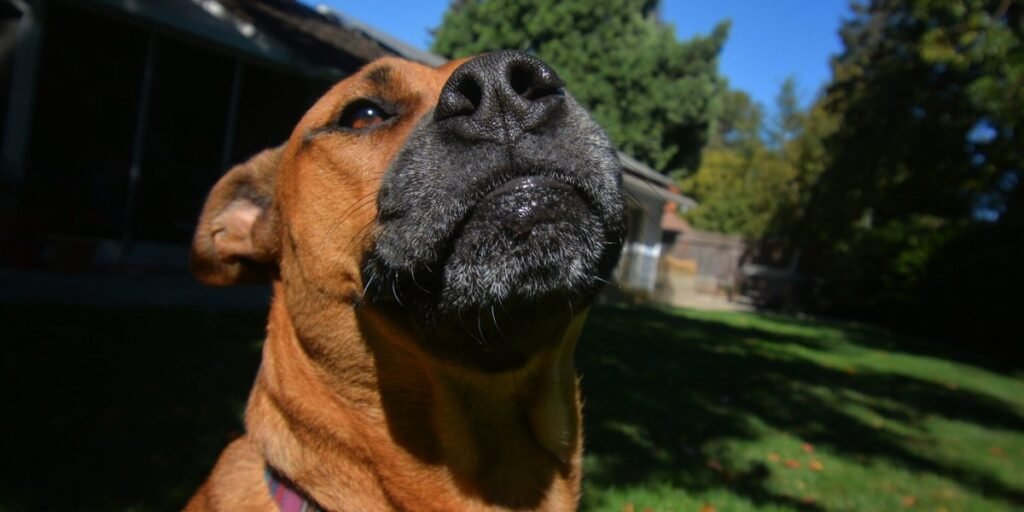


The gray on their muzzle. The pause at the foot of the stairs. The longer recovery after a walk that used to be effortless. Your puppy has, somehow, become a senior dog — and the world has not prepared you for what comes next. The vet bills. The mobility decline. The emotional weight of watching your most loyal friend slow down.
Mainstream dog content is overwhelmingly about puppies and training. Senior care — joint support, cognitive changes, pain management, quality-of-life decisions — is undertaught, even though more dogs are seniors today than ever before, thanks to better veterinary care.
This guide walks you through the most important shifts in care during your dog’s senior years. From orthopedic bedding to sniff walks to cognitive enrichment, with the daily practices that catch problems before they become crises.
Joint support (orthopedic bed, ramps, non-slip rugs). Vet visits every 6 months with annual blood panel. Shorter, more frequent walks focused on sniffing not distance. Daily comfort check. Pain management when appropriate. Mental enrichment through nose work. And a quieter household tempo — senior dogs absorb anxiety more than ever.
The 7 signs your dog is entering their senior years
Most dogs become “senior” around 7-10 years old depending on size (large breeds age faster). Watch for:
- Stiffness on rising — especially in the morning or after long rests
- Reluctance with stairs — pausing, hesitating, or refusing
- Slower recovery — long naps after walks that used to be easy
- Cloudy eyes or hearing changes — startles when approached, doesn’t respond to name
- Changes in sleep patterns — disoriented at night, restless evenings
- Weight changes — loss OR sudden gain (both warrant blood panels)
- Reduced interest in things they used to love — toys, walks, social time

The 5 environmental changes that matter most
1. Orthopedic or memory-foam bedding
The single highest-ROI change for senior dogs. Memory foam supports aging joints. Heated low-temperature pads ease arthritis. Place beds in their 2-3 favorite resting spots.
2. Non-slip rugs on slippery floors
Most senior dog injuries come from slips on hardwood or tile. A few strategically placed runners prevent falls — and reduce the daily fear of slipping.
3. Ramps to couch, bed, and car
Jumping up causes joint strain. Jumping down causes injury. Ramps to your dog’s favorite high places extend their access AND reduce vet visits.
4. Raised food and water bowls
Senior dogs often have arthritis in their necks. Raised bowls (to chest height) reduce strain and improve eating posture.
5. A quieter household tempo
The single most underrated shift. Senior dogs absorb anxiety more deeply than they used to. Slower movements, lower voices, predictable rhythms — these matter more than at any other age.
Daily care that actually moves the needle
Senior dog decline is rarely sudden. It’s gradual — which means a daily check catches what casual observation misses.
Each morning, observe without interacting. Note: gait on rising, breathing, alertness, appetite, water intake, eye brightness, energy. Compare mentally to yesterday. Log differences. After 2 weeks: a baseline. After 30 days: data your vet will love.
Tend the late season with grace
The 30-Day Senior Dog Comfort Journal helps you tend your aging dog with intentional comfort — softer rituals, mobility care, and the deep love of these slowed seasons.
The Sniff Walk — a senior dog game-changer
Senior dogs do not need longer walks. They need DIFFERENT walks. Replace distance with sniff. Replace pace with stillness. A 20-minute slow sniff walk often satisfies a senior dog more than a 60-minute fast walk — without the joint strain.
Long lines (15-30 feet) in quiet areas let your dog dictate pace. Sniffing is mental exercise; it tires dogs differently — and better — than physical exertion.
Vet partnership after age 7
Senior dogs need vet visits every 6 months. Annual blood panels are essential. Three conversations to schedule NOW:
- Joint support and pain management — glucosamine, fish oil, CBD (vet-approved), and prescription anti-inflammatories
- Cognitive support — for early signs of canine cognitive dysfunction (the dog version of dementia)
- Quality of life conversations — having the framework EARLY makes future decisions clearer and kinder
The emotional weight of senior dog care
Caregiver fatigue, anticipatory grief, financial weight. If you’re walking this road, please also walk the road of dog parent affirmations — the inner work is part of the outer care. For the season that comes after, our piece on grieving the loss of a dog was written with the same care.
FAQ
What age is a “senior” dog?
Depends on size. Small breeds: 9-10+. Medium: 7-8+. Large/giant: 5-7+. Large dogs age faster, which is why size-specific senior planning matters.
How often should senior dogs see the vet?
Every 6 months minimum. Blood panels annually at least. More often if any behavior, weight, or mobility changes appear.
Is joint medication safe for senior dogs?
Yes, and remarkably effective. Many senior dog parents wait too long to start pain management. NSAIDs, gabapentin, and other vet-prescribed options dramatically improve quality of life.
What’s canine cognitive dysfunction?
Often called “dog dementia.” Signs include nighttime confusion, getting stuck in corners, forgetting house training, increased anxiety. Treatable — talk to your vet about Selegiline and dietary support.
How do I know when it’s “time”?
Quality of life assessment tools help. Your vet can walk you through one. Generally: more bad days than good, untreatable pain, loss of interest in life’s pleasures.
Senior years deserve a journal
30 days of prompts, daily care tracking, and gentle reflection — for the senior dog you love and the dog parent you are becoming.