

Happiness research keeps returning to the same humble habit — gratitude — and your pet makes it almost effortless. Starting a pet gratitude journal turns the small daily joys your animal already gives you into a practice that measurably lifts your mood. This guide shows why gratitude works and how to build the habit with your pet at the center, as part of our pet parent self-care guide.
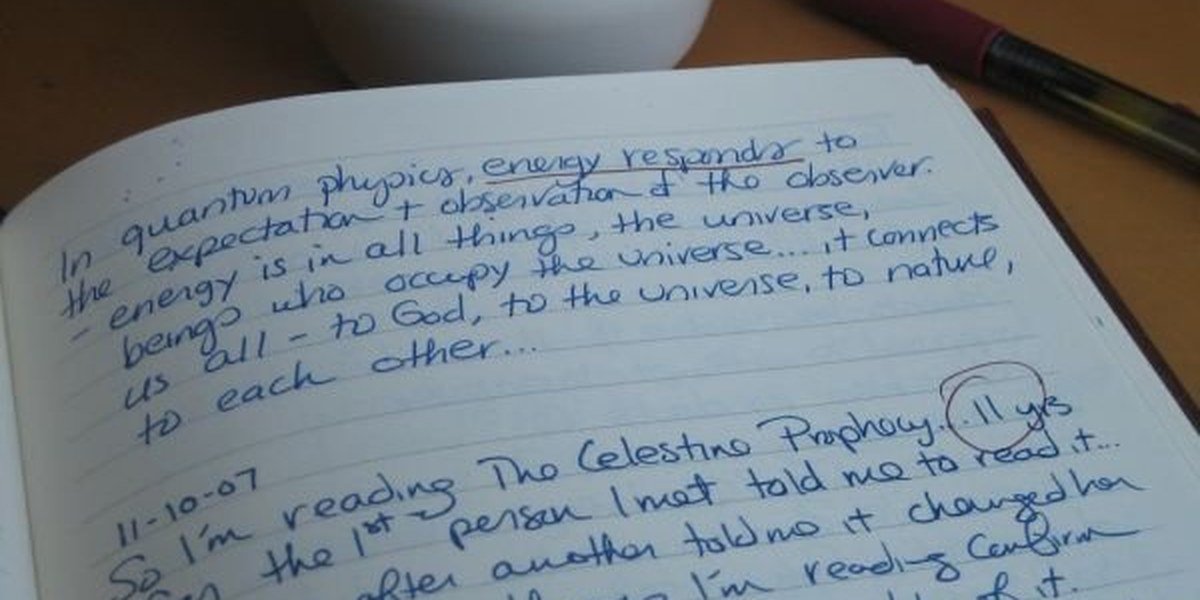
Why Does Gratitude Improve Wellbeing?
Gratitude works by shifting attention toward what’s good, which over time reshapes your default outlook. The research-backed benefits are striking.
- Improved mood and life satisfaction
- Lower stress and rumination
- Better sleep when practiced before bed
- Stronger sense of connection
The catch is consistency — and that’s exactly where pets help.
View Guide
Why Pets Make Gratitude Easier
Abstract gratitude (“be thankful”) is hard to sustain. Pets make it concrete and immediate — there’s always a small, real moment to appreciate.
- The greeting when you walk through the door
- A warm body curled against you
- The simple joy of a walk or playtime
- Unconditional, judgment-free presence
Your pet turns gratitude from a chore into a noticing of things already in front of you.

How to Build a Daily Gratitude Practice
- Pick a time. Morning or bedtime work best.
- Start with three. Three small good things, pet-related or not.
- Be specific. “The way she stretched in the sun” beats “my cat.”
- Write it down. Putting it on paper deepens the effect.
- Keep it tiny. Two minutes is enough to change your day.
This gentle method is the structure of the Pet Gratitude Journal, with a prompt each day so you never face a blank page.
See Details
Explore Solution

Frequently Asked Questions
Does gratitude journaling really work?
Research consistently links regular gratitude practice with improved mood, lower stress, and better sleep. The benefits come from consistency, so a short daily habit outperforms occasional long sessions.
How many things should I write each day?
Three is a well-supported sweet spot — enough to shift focus without feeling forced. The key is specificity: detailed, real moments matter more than the number.
When is the best time to journal gratitude?
Morning sets a positive tone for the day, while bedtime can improve sleep and end the day on a calm note. Choose whichever you’ll actually keep up consistently.
Can gratitude help on really hard days?
Yes, though it’s gentlest when not forced. On hard days, even noticing one tiny good thing — often your pet — can soften the difficulty without pretending it isn’t there.
More Joy, Already in Front of You
Gratitude doesn’t add anything to your life — it helps you see what’s already there. And with a pet beside you, the good moments are constant. Start with three small things a day, keep it specific, and let your animal be your daily reminder to notice the good.
Pair this with our pet parent self-care guide and daily affirmations for a complete, gentle wellbeing routine.
Ecominou offers supportive educational content, not mental-health treatment. Gratitude journaling is a wellbeing tool and not a substitute for professional care when needed.